The national, mainstream, American press tends to see itself culturally as the 4th branch of government, an institutional body of cobelligerents who hold government and power accountable. That’s a noble calling, as humans have a natural tendency to consolidate and abuse power. But who holds the press accountable when its agents abuse their influence and cause harm?
Some of my favorite writers, men like C.S. Lewis, G.K. Chesterton, and Alexander Solzhenitsyn offer reasons that free citizens should keep a discerning, critical eye on the press—just as our ancestors once did for standing armies… because both soldiers and journalists can be turned against liberty.
In the U.S., the primary mechanism for press accountability is libel law, which allows those harmed by media falsehoods to seek legal redress. Yet the courts afford journalists significant deference, making it difficult for victims to win justice. One of the most high-profile cases in recent history involved Nicholas Sandmann, who reached multimillion-dollar settlements with multiple media organizations after they relentlessly vilified him for the “crime” of wearing a Make America Great Again hat in Washington, D.C., in 2019.
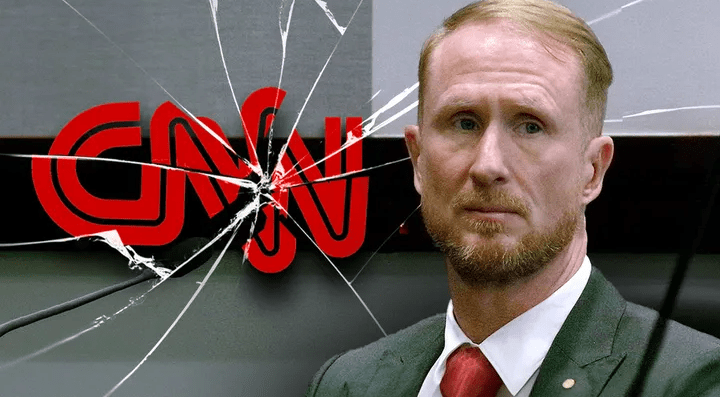
More recently, another case has provided fresh encouragement. Last month, a jury ordered CNN to pay U.S. Navy veteran Zachary Young $5 million for spreading falsehoods about his efforts to evacuate civilians from Afghanistan in 2021. As the jury deliberated further punitive damages, CNN, unwilling to risk an even harsher penalty, opted for a private settlement.
This is a significant moment in American media history. For too long, the mainstream press has acted with impunity, disregarding the damage caused by reckless or agenda-driven reporting. Their sense of self-importance is on full display in the Associated Press’ recent tantrum over being removed from the Oval Office—punishment for refusing to acknowledge reality in its reporting. Too many journalists believe themselves part of a priestly class, beyond scrutiny. It’s encouraging to see at least one jury say, “Enough.”
 Dr. Chase Spears