The courageous often do not find their time. It is usually the time of need that finds and awakens the courageous.
I’m finishing a read through of The Hobbit by J.R.R. Tolkien. A veteran of the First World War, Tolkien experienced things that were not part of his life plan at a young age. Much of the horrors and triumphs come through in his writings. The seemingly diminutive race of hobbits reflecting his admiration of the enlisted British soldiers who proved mighty in the fight.
The Hobbit was published nearly two decades after the guns fell silent in Europe. It’s a tale about Bilbo Baggins and his journey with a band of dwarves to reclaim their treasure and home under a faraway mountain.
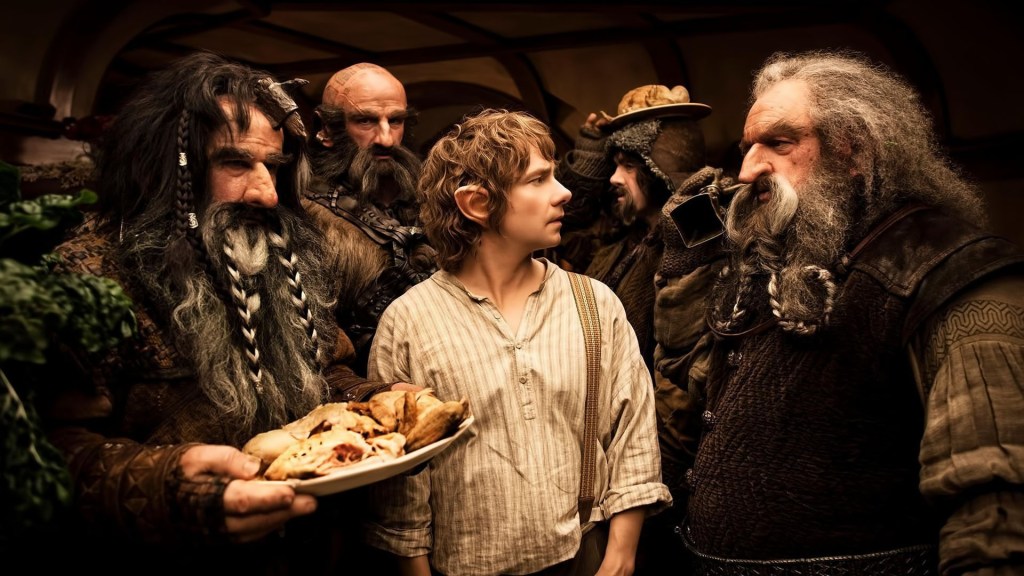
Baggins did not choose himself for this mission. As often happens, someone else had to prod him to stand into the moment. In this case, it was the wizard Gandalf who summoned the band of dwarves to Bilbo’s home uninvited, where they reluctantly offered the small and unimpressive hobbit a role on their adventure. “There is a lot more in him than you guess, and a deal more than he has any idea of himself.” But the dwarves’ attitude toward Baggins remained unconvinced at the sight of the small man who fretted over leaving his handkerchief behind as the journey began. The dynamic reminds me of the ‘meat eater’ versus ‘leaf eater’ mentality at work in the U.S. Army today. If you’re not a dwarf (a combat arms guy), you’re not a real soldier.
Throughout the saga, Bilbo never quite fit in. He remained an outcast, one along as part of a group rather than as a member of the team. He preferred solitude to the rambunctious company of others, and doubted himself as much as others doubted him. But Baggins nevertheless triumphed in every moment of trial. His unimpressive size, ability to move stealthily, timely use of a mysterious ring to be invisible, and careful dealing with a fire-breathing dragon saved the lives of his comrades and preserved their quest on many occasions. He also proved an adept diplomat toward the end, demonstrating the ability to think deeply and speak soberly to be an asset after all.
I offer five takeaways from this tale that serve me well, and I hope will serve you too:
First, Unforeseen Challenges: Just as Bilbo was dragged into an adventure he never sought, many people find themselves in roles they didn’t initially plan for, or face challenges they didn’t anticipate. The unexpected often forces us to confront new aspects of ourselves, much like Bilbo’s realization that he is capable of more than he ever imagined.
Second, Self-Doubt and External Expectations: Bilbo constantly questioned his abilities, especially in the early stages of the journey. Similarly, people in high-pressure careers often struggle with imposter syndrome or doubts about their competence—particularly when thrust into leadership roles or challenges that they feel underprepared for. However, it’s precisely through this struggle that growth happens.
Third: Adaptability: Bilbo’s size, skills, and strategic thinking (particularly with the invisibility ring and his negotiation with Smaug) show that adaptability can often be a person’s greatest strength. In moments of high-pressure, being able to think on your feet, adapt to changing circumstances, and make decisions with limited resources are key to success.
Fourth, The Value of Quiet Strength: Bilbo’s reserved nature often made him seem less capable in the eyes of others. But his calmness and internal reflection ultimately served them all well. The loudest or most outwardly confident individuals aren’t always the ones who succeed. Sometimes, it’s those who are thoughtful, observant, and who remain composed under pressure who rise to the occasion, much like Bilbo.
Finally, Courage is Not the Absence of Fear: Bilbo never lost his fear, but he conquered it. Baggins is terrified many times, but still acts. He demonstrates that courage isn’t about being fearless—it’s about doing what needs to be done in spite of fear. Fear is a natural reaction to the unknown or situation that seems insurmountable. It is those who can face fear and continue on who will experience substantive growth.
Baggins did not ask for the crucible, but he didn’t hide from it. It is in the challenge, the pain, and the frustration… the departure from comfort zone that we grow, mature, and find out what we’re really made of. It was true for Tolkien. It was true for Bilbo. It’s true for me, and it’s true for you.
 Dr. Chase Spears